Key Takeaways
- Stitch markers help you count stitches, track the start of a round, and flag shaping points.
- Use locking markers for crochet and fragile yarns, and simple rings for smooth, fast knitting.
- Place a high contrast marker at the start of the round and lighter colors for repeats.
- Move markers as you knit, check counts often, and fix snags before they turn into holes.
Why Stitch Markers Matter
Knitting is fun, but counting to 124 without losing track is not. Stitch markers save your brain from constant recounting. They sit on the needle or clip to the fabric, and they quietly tell you where to increase, decrease, turn, or just breathe. Some days, you will rely on them for every section. Other days, you may skip a few and still feel fine. Both can be true. Stitch markers can even be a fun gift or upsell for your knitting business. Producing custom knitting charms is easy, there are many vendors online that offer custom knitting charms.
What Exactly Is a Stitch Marker
A stitch marker is a small ring or clip that marks a point in your work. Think of it like a tiny road cone. It does not change the fabric. It guides you so you can follow the pattern with less guesswork. You can buy them in many shapes or make your own from a scrap of yarn. That part is flexible, almost too flexible, which is why people continue to try new styles.
Types You Will See Most
- Closed rings: Slide onto the needle. Best for smooth, fast knitting on straight or circular needles.
- Locking markers: Open and close like a safety pin. Great for crochet, lace lifelines, and fragile fibers.
- Split rings and clips: Quick to add mid row, easy to remove, sometimes a bit bulky.
- Yarn loops: A loop of contrasting scrap yarn. Cheap, soft, and always the correct size.
How to Use Stitch Markers in Knitting
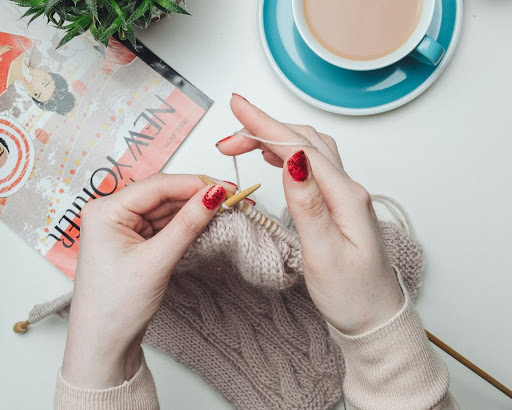
When a pattern instructs you to “place marker,” stop at that stitch and place the marker on your right needle. Knit the next stitch, and the marker will sit between two stitches. As you continue, it will hop from needle to needle. That is normal. If it falls off, the fabric will not break, but your counting might.
Placing Markers on Flat Knitting
On scarves, sweaters knit flat, and swatches, markers help you mark edges or pattern repeats. For example, if a cable panel is 18 stitches wide, place a marker on both sides of the panel. Knit to the first marker, work the panel, pass the next marker, and relax into plain stitches again. You can also mark the first and last stitch for tidy edges, although not everyone likes the extra hardware there.
Using Markers in the Round
Circular knitting benefits a lot from markers because the start of the round is easy to lose.
Start of Round Marker
Select one marker that stands out from the rest. Bright color. A charm. Something bold. Place it at the exact start of the round. Every time you pass it, you know you have finished a lap. If you shift stitches for shaping, move this special marker with care so your round count stays honest.
Counting Repeats and Sections
If your hat has an 8-stitch repeat, add a marker between each repeat. Eight repeats means eight markers. It looks like a lot, but the rhythm becomes simple. Knit to the marker, check the step, keep going. If you prefer fewer gadgets, mark every second repeat. Slightly messy, still fine.
Shaping With Confidence
Increases and decreases can feel random. Markers make them predictable. Place a marker where the pattern says to shape. When you reach it, work the increase or decrease, then slip the marker so it stays in place for the next run. Many knitters keep a tiny notebook or just count out loud. Both methods work, and sometimes both at once.
Marking Pattern Sections
Complex patterns often split the round into parts. For a sweater yoke, mark each raglan line. The work grows evenly, and you can see progress at a glance. If the markers start creeping because of stitches added or removed, that is expected. Move them after you complete the shaping instruction so they continue to sit in the right spot.
Color Coding That Actually Helps
Choose high contrast colors against your yarn. Use one special color for the start of the round. Softer or lighter shades for repeats. Dark or metal for shaping points. It sounds fussy, but it speeds up your brain later when you are half watching a show and half counting to eight again.
Common Mistakes and Easy Fixes
Markers can cause minor snags if they are rough or too tight. If the yarn catches, stop and smooth it out right away. Replace the marker if it feels grabby. Sometimes a marker drops off when you set the project down. Before you knit the next row, glance around each section and make sure the counts still match the pattern. If you are unsure, count between markers. A quick check now saves a long rip later.
When a Marker Falls Off
Look at the nearby stitches. If the repeat was 12 and you only see 11 between markers, the missing marker probably belonged there. Replace it, adjust the row if needed, and keep going. Perfect accuracy is nice. Reasonable accuracy still makes a beautiful hat.
When Your Yarn or Needles Feel Wrong
Very thick needles with very tiny rings can pinch the yarn. Switch to larger markers that slide easily. On the other side, skinny lace yarn may slip under bulky clips. Locking markers help because they attach to the stitch rather than ride the needle. And yes, you might change your mind later. Tools that felt perfect in one project feel busy in the next.
Simple Care and Storage Tips
Keep markers in a small tin or zip pouch. A clear container helps you grab the correct size without digging. If you knit on the go, pack a mix of rings and locking markers so you are ready for anything. A little order saves time, although a bit of chaos can be fun when you discover a marker hiding in your couch.
Quick Start: Your First Setup
Here is a simple way to try it. Cast on for a basic beanie in the round. Place your special start marker. Add a marker after every 12 stitches to track repeats. Work the pattern. When it calls for decreases, move a couple of markers to match the new sections. Check counts once per round for a few rounds, then relax. You will feel the rhythm.
Final Thoughts You Can Use Today
Learning how to use stitch markers in knitting is not a strict rule set. It is a set of tiny tools that support your focus. Use many markers when you need structure. Use a few when you want freedom. Count often. Move them as the fabric grows. If something feels off, it probably is, and that is completely fixable with a quick recount and a deep breath.
* Contributed content and may contain affiliate links.