



The 3 Key Differences Between Embroidery and Weaving
While the terms embroidery and weaving are often used interchangeably, this is not entirely correct. They both work with fabrics, which is probably why sometimes it’s hard to think about the differences, but it’s actually pretty easy to separate the two.
However, if you’re one of the people who have yet to discover the differences, don’t worry, because this article will tell you the 3 key ones that you need to know. Let’s get started!
Process
Probably the biggest and most important difference between embroidery and weaving is the process itself.
Basically, as the name itself comes from the verb “to weave”, weaving is a way of creating fabrics. It uses two sets of threads and yarns and interlaces them, thus producing textiles. When weaving, a loom is used in order to keep the warp threads in place. There are filling threads woven through them and voila! The woven cloth is created.
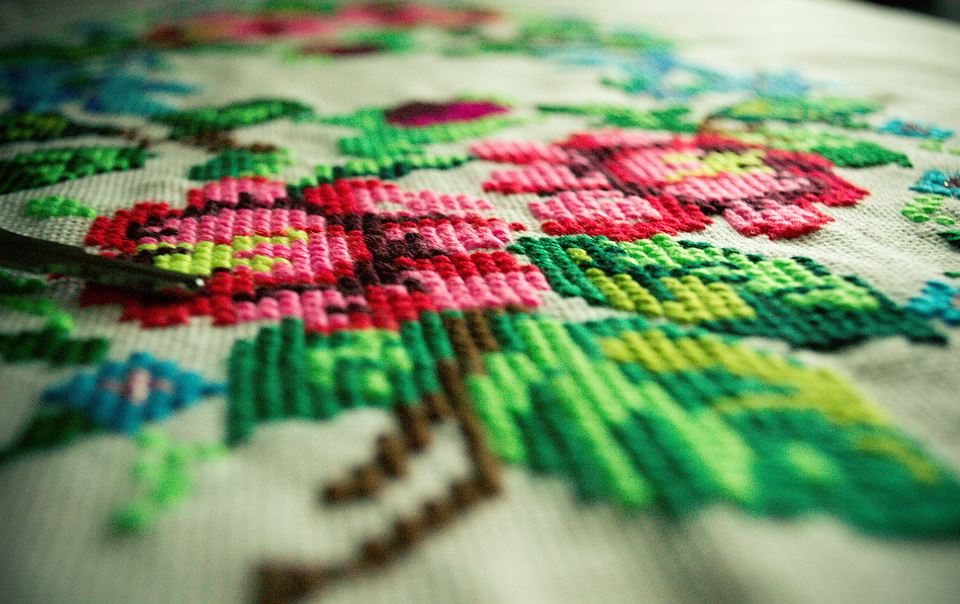
Now, on the other side, embroidery refers to the process of decorating the fabrics in artistic ways. You’ve most likely seen fabrics with different patterns sewn into them, and that’s exactly what embroidery is. Nowadays, you can see embroidery on coats, denim, caps, blankets, hats stockings, dresses and more. The fabric is usually decorated by using a needle in order to apply the yarn or embroidery floss.
Sometimes, there are even beads, sequins, pearls and quills added within the embroidery, so the décor looks more magical. In addition, the colors of the yarn or thread used for the process can have different colors to match the decorated fabric and enhance its beauty.
Patches
Patches can be made through embroidery and weaving. You’ve definitely seen them, either on jeans, jackets or other types of clothing. Usually, they resemble certain shapes or logos.
Well, there’s a difference even between woven and embroidered patches. The former use thinner threads compared to those made through embroidery, and the surface is much smoother without raised structure. For more detailed patches, weaving is the way to go.
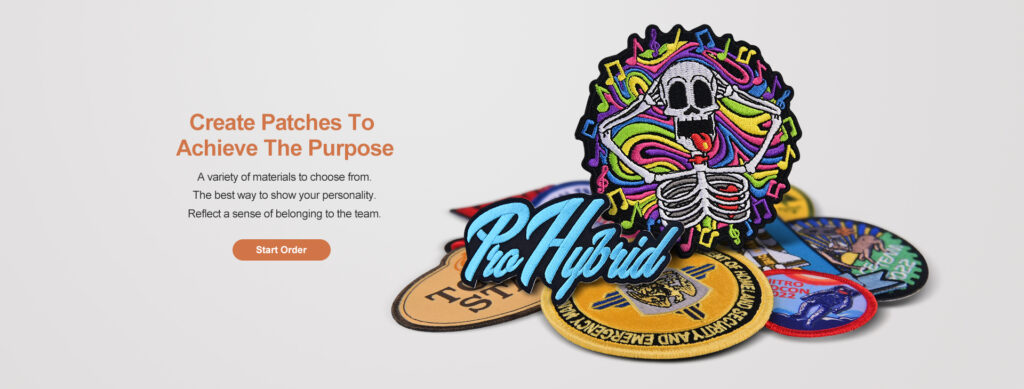
Conversely, embroidered patches are much thicker and won’t be the wisest choice for a detailed design. They’re better suited for military units, security personnel, law enforcement agencies, and fire departments.
Custom Your Own Hats
If you want to make your outfit more unique, enhance it with accessories such as embroidered PVC patches. Custom patches can be designed in different styles, such as letter types, cartoon patterns, name symbols, etc. These patches are not only a great decoration for clothing, but embroidering them in key areas can also enhance the wear resistance of clothing.
Creation
Another difference to note is the way woven and embroidered fabrics are created or, in other words, what is used to help the process unfold. For woven fabrics, there’s a loom that helps the threads assemble and create the fabric. However, there are weaving techniques that don’t require a loom, such as tablet weaving.
At the same time, embroidery can also be made by using a special machine. Websites like Melco or All the Stuff even showcase sewing machines that can do embroidery. However, in ancient times, it was done by hand with needles, so that’s still an option that’s available.
Final Thoughts
Weaving and embroidery are two processes that involve fabrics, yet they are different from each other. Now that you’ve read about them in this article, you should know the differences and if you want to start sewing yourself, just browse around our website to find some patterns.




Whats the relationship between embroidery and weaving